碳、2D 材料及奈米技術
由於有許多種類的消費產品都使用碳基材料 (以及 2D 材料的技術發展前景),因此這些產品自然成為拉曼光譜的主要應用領域。
您可以使用拉曼識別所有碳形態,包括石墨烯、奈米碳管 (CNT)、石墨、鑽石和類鑽碳 (DLC)。您還可以研究諸如 MoS2、hBN 和 WSe2 等 2D 材料。
分析所有碳形態
Renishaw 的拉曼系統一直用於研究、開發和控制碳材料品質。您可判斷:
- 石墨烯層數及其瑕疵、摻雜和張力
- 類鑽碳 (DLC) 厚度和混雜成分 (sp2 和 sp3)
- 奈米碳管 (CNT) 直徑和機能性化
- 鑽石應力、純度和產地 (合成或天然)
- C60 及其他富勒烯的特性
- 非晶碳的結構組成

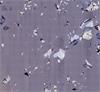

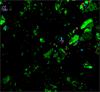

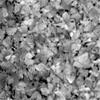

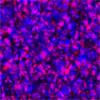
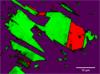
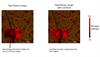
以熱燈絲成長的 CVD 鑽石薄膜的拉曼及光致發光影像。
拉曼影像可表示 1332 cm-1 鑽石頻帶的強度。較暗的區域具有較高的石墨含量;這會降低雷射穿透力,也會減弱鑽石訊號。
光致發光影像是以 1.77 eV 頻帶強度(紅色,最可能與成長期間的燈絲污染有關)和 1.95 eV 頻帶強度(藍色,[N-V]- 氮原子空缺)為基礎。


毫髮無傷地提供更多訊號
雷射功能密度過高時,可能會損壞某些薄碳膜,例如 DLC。透過 Renishaw 的線聚焦雷射照明技術,就能同時降低功率密度並維持整體雷射功率。可迅速收集高品質資料,又不會損壞樣品。
奈米技術
Renishaw 的 inVia 共軛焦拉曼顯微鏡具備高空間解析度,非常適合用來研究奈米材料 (如石墨烯和 CNT) 的結構和瑕疵。
Renishaw 可結合拉曼分析與掃描測頭顯微鏡 (例如原子力顯微鏡)。這些系統將化學分析能力導入 SPM/AFM 擷取的高空間解析度形貌和特性資訊。您也可以使用針尖增強拉曼光譜 (TERS),擷取奈米級拉曼化學資訊。

內容齊全的光譜
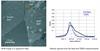
Renishaw 的 SynchroScan 產生高解析度寬域光譜。可快速輕易收集涵蓋整個拉曼和光致發光範圍的資料。例如,可以:
- 同時透過 G 和 2D 頻帶,觀察奈米碳管徑向呼吸模式 (RBM)
- 研究與鑽石瑕疵相關的光致發光特徵,以及其拉曼光譜
下載:材料科學(碳、2D 材料及奈米技術)
-
 Application summary: Raman measurements on graphene [en]
The high specifity of inVia enables graphene to be easily differentiated from other materials, including carbon allotropes such as carbon nanotube and diamond.
-
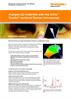
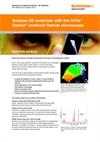 Application note: Analyse 2D materials with the inVia Qontor confocal Raman microscope [en]
With so many unique properties, working with 2D materials can be challenging. Whether it is large regions, uneven samples, or small discrete flakes, Renishaw’s inVia Qontor confocal Raman microscope gives you reliable results, quickly and easily.
-
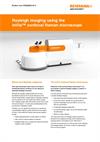 Product note: Rayleigh imaging using the inVia™ confocal Raman microscope [en]
Product note detailing how you can perform Rayleigh imaging on the inVia confocal Raman microscope.
請觀看本公司與 Oxford Instruments 共同舉行的網路研討會
石墨烯以外 2D 材料的成長及特性分析
過去十年來石墨烯的物理及技術研究成果,促使研究各式各樣類似的凡得瓦結構物質。
其中一種獲得極大關注的物質就是雙層過渡金屬二硫族化物 (TMDC);這項物質在電子及光電應用領域都展現無限潛能。本次網路研討會著重於 2D 材料成長的近期進展成果,以及拉曼特性分析,並說明製程工程及物質特性分析之間的相互作用。
網路研討會將舉行兩場演說:
2D 材料與異質結構特性分析 - 英國 Renishaw Tim Batten 博士
2D 材料與異質結構沉積作用 - 英國 Oxford Instruments Ravi Sundaram 博士
相關報導
全球最輕的機械錶
全球最輕的機械錶於 2017 年 1 月在瑞士日內瓦發表,其中採用包含石墨烯的創新複合材料。Renishaw inVia 拉曼顯微鏡可說是這項專案幕後的研發功臣,在其中扮演重要角色協助開發材料。
New Plasma Technologies 的品管分析
總部位於俄羅斯莫斯科的 New Plasma Technologies (NPT) 以非破壞的方式,將 Renishaw inVia 共軛焦拉曼顯微鏡用於研究材料的結構與化學特性。